Construction-Linked vs Down-Payment Plans at Embassy Biome — Cash Flow Analysis

Embassy Biome offers two primary payment plan structures — construction-linked plans (CLP) where payments tie to construction milestones, and down-payment...
Embassy Biome offers two primary payment plan structures — construction-linked plans (CLP) where payments tie to construction milestones, and down-payment plans (DPP) where higher upfront commitment captures pricing advantages. Understanding the cash flow implications of each helps buyers choose the structure that fits their capital position and risk tolerance.
Construction-linked plans stagger buyer payments across construction milestones — foundation, structure completion, finishes, possession. A typical CLP structure at Embassy Biome might involve 10% at booking, 10% at agreement, 10% at foundation, sequential milestones tied to floor casting, and final payment at possession. The CLP structure protects buyer capital — payments flow only as construction visibility increases, reducing pre-construction commitment risk. CLP also aligns with K-RERA's 70% escrow segregation requirement, which means buyer funds get released to developer based on construction milestone certification rather than developer discretion.
Down-payment plans operate on different commercial trade-offs. DPP typically requires 50% to 80% upfront commitment with the balance at possession. The higher upfront commitment captures pricing protection — buyers pay current pricing rather than risking construction-period escalation. DPP also typically includes commercial advantages like preferred unit allocation, additional amenity inclusions, or specific commercial discounts. The trade-off is capital deployment timing — buyers commit larger amounts before construction visibility increases, accepting developer execution risk in exchange for pricing protection and commercial advantages.
The cash flow analysis depends on buyer capital position and alternative use of capital. Buyers with high opportunity cost of capital (where the capital would generate strong returns deployed elsewhere) tend to favour CLP — keeping capital deployed in alternative investments until construction milestones absorb it. Buyers with capital that would otherwise sit idle in low-yield accounts tend to favour DPP — locking in the price protection and commercial advantages while the capital would not have generated meaningful alternative returns anyway. NRI buyers often consider currency hedging implications — DPP locks INR-equivalent cost while CLP exposes the buyer to currency movement across the construction window.
The right payment plan at Embassy Biome depends on individual cash flow analysis rather than universal best answer. Calculate the present value of CLP vs DPP cash flows using your actual cost of capital. Factor in expected construction-period appreciation that CLP exposes to upside but also locks via DPP. Consider banking partner home loan structures that may align with one plan more than the other. NRI buyers should specifically factor currency movement risk. Get both plan structures documented in writing from the sales team with all commercial terms specified. Refuse to commit to a payment plan without comparing the alternative explicitly.
Related reading: Family Living at Embassy Biome — Kids Club and School Proximity.
FAQs
What is Construction-Linked vs Down-Payment Plans at Embassy Biome?
Embassy Biome offers two primary payment plan structures — construction-linked plans (CLP) where payments tie to construction milestones, and down-payment plans (DPP) where higher upfront commitment captures pricing advantages.What makes Embassy Biome distinctive?
Construction-linked plans stagger buyer payments across construction milestones — foundation, structure completion, finishes, possession.Who should consider Embassy Biome?
Down-payment plans operate on different commercial trade-offs.
Related Articles
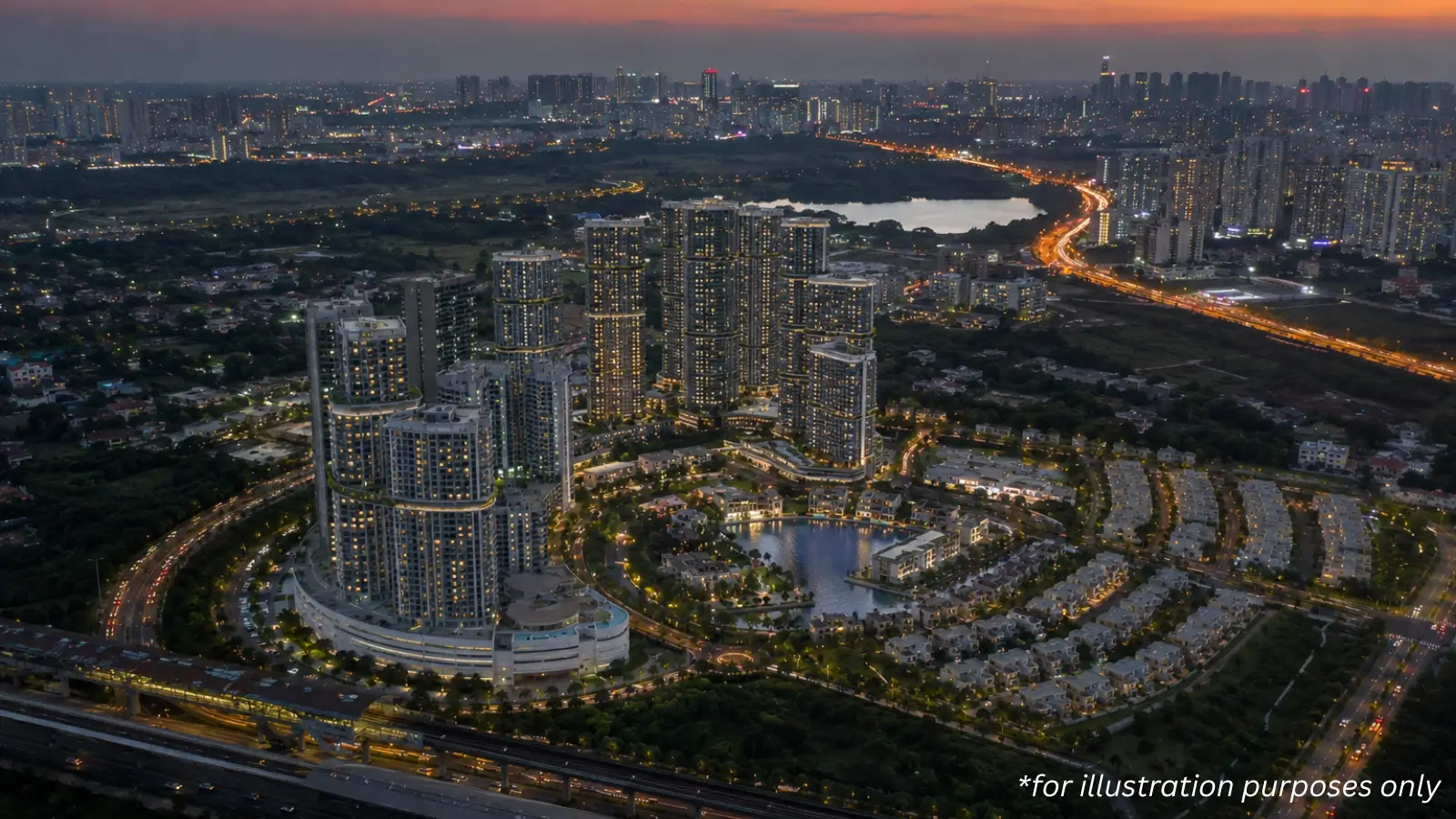
Understanding the 85-Acre Embassy Biome Master Plan
Master plan diligence for Embassy Biome buyers matters more than at standalone residential developments because the township structure shapes daily life...
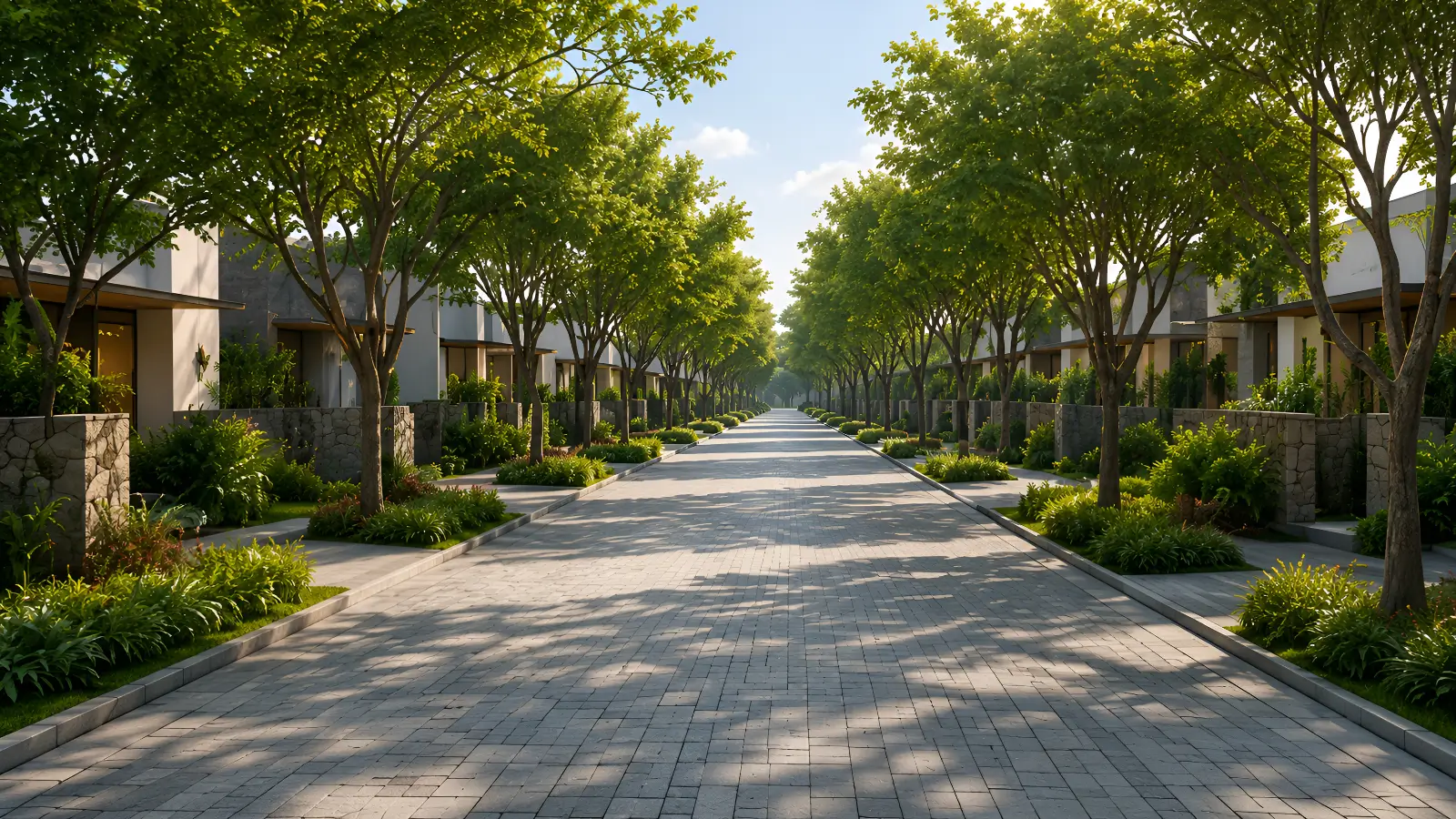
The Architecture of the 50-Acre Villa Enclave at Embassy Biome
The 50-acre villa enclave at the heart of Embassy Biome is engineered as a protected residential core within the wider 85-acre township.
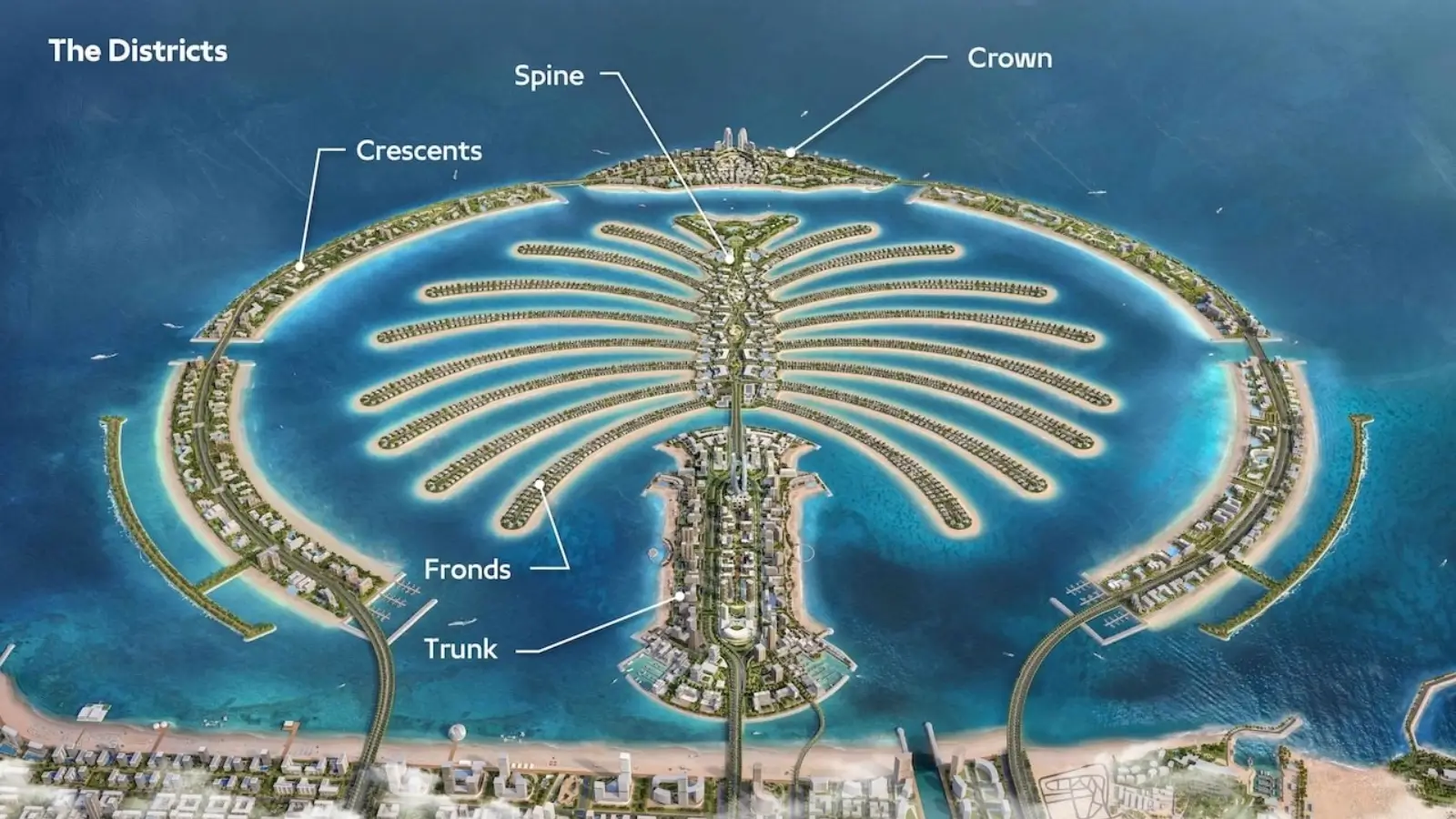
What Makes Embassy Biome a Palm Jumeirah-Inspired Township
Embassy Biome operates on Palm Jumeirah-inspired township logic adapted for the North Bangalore context.
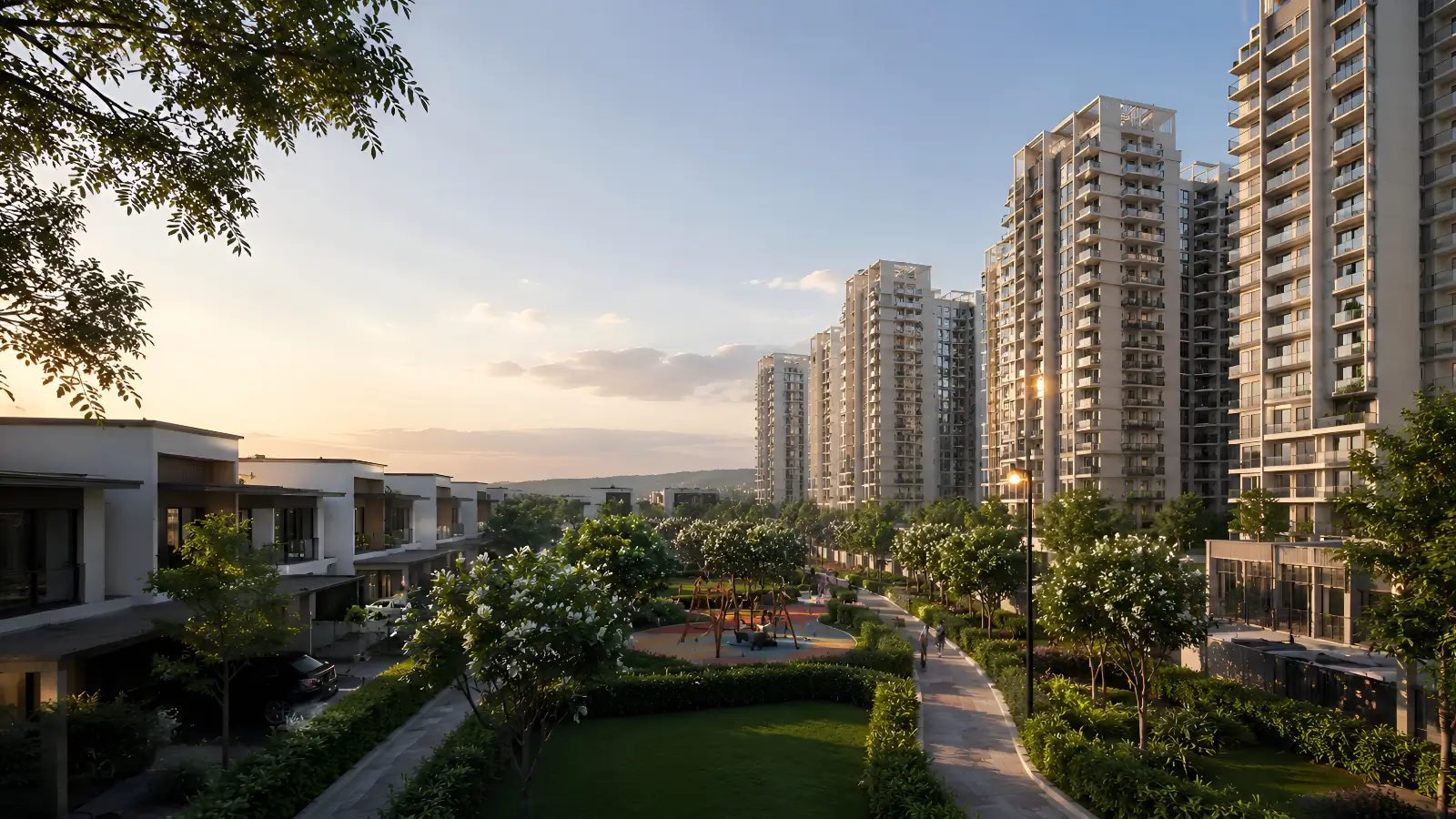
How Mixed-Format Townships Like Embassy Biome Differ From Standalone Projects
Embassy Biome operates as a mixed-format township combining ultra-luxury villas and premium apartments within a single 85-acre integrated parcel.