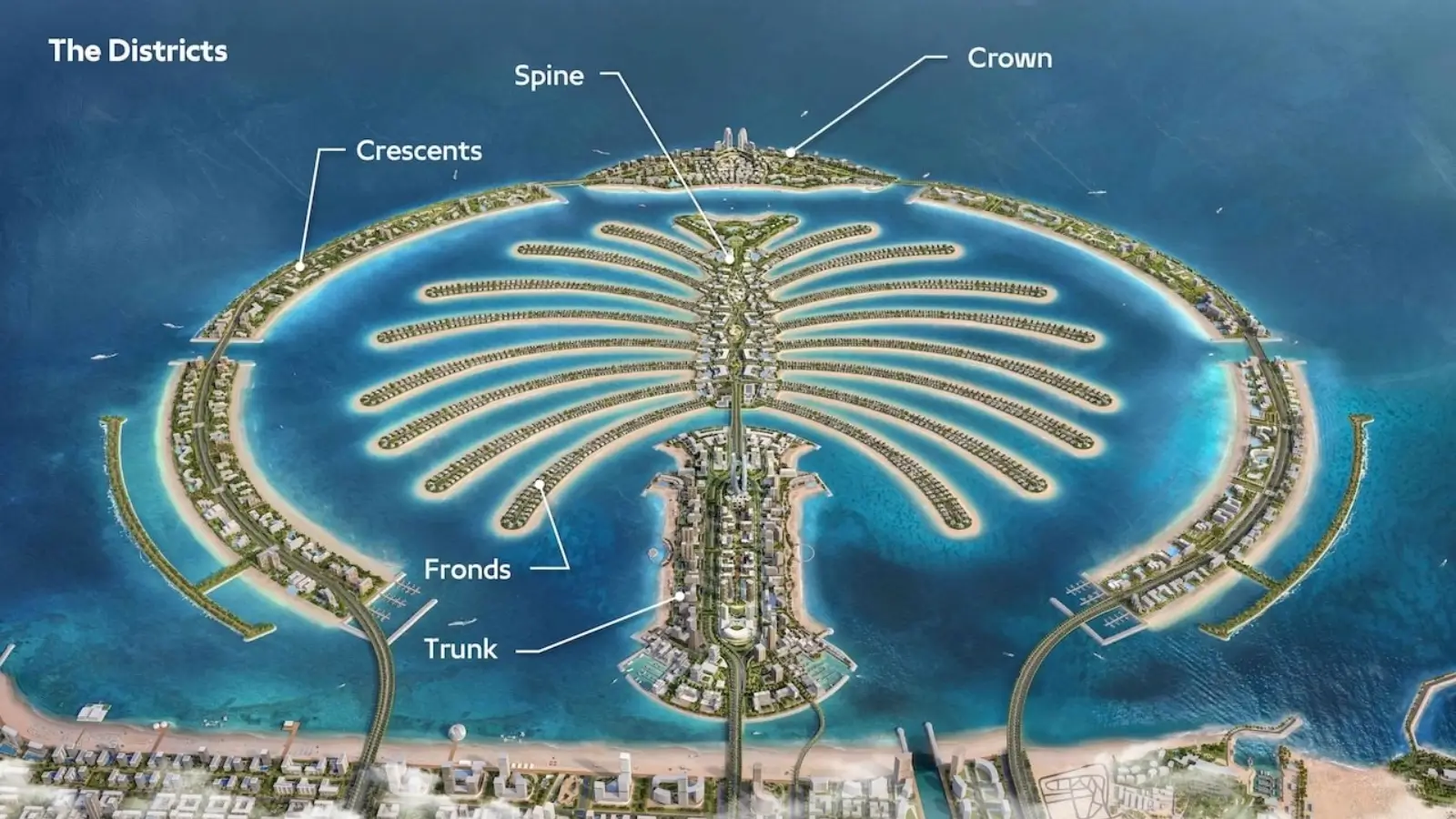
Embassy Biome operates on Palm Jumeirah-inspired township logic adapted for the North Bangalore context.
Embassy Biome operates on Palm Jumeirah-inspired township logic adapted for the North Bangalore context. The term often gets used loosely in Indian real estate marketing, so understanding what it actually means at Embassy Biome matters during pre-booking diligence.
The Palm Jumeirah township logic protects its highest-value residential addresses at the protected core of the master plan, with lower-value buffer uses positioned at the perimeter to absorb external exposure. Embassy Biome adopts this principle through its 50-acre central villa enclave occupying the protected core of the 85-acre township. The 14-acre apartment perimeter parcel and the wider commercial precinct occupy the outer band along NH-44 / Bellary Road frontage. The arrangement delivers villa privacy maximised through master plan geometry rather than perimeter walls — the apartment and commercial buffer absorbs corridor noise, visual activity, and vehicular flow before it reaches the villa enclave.
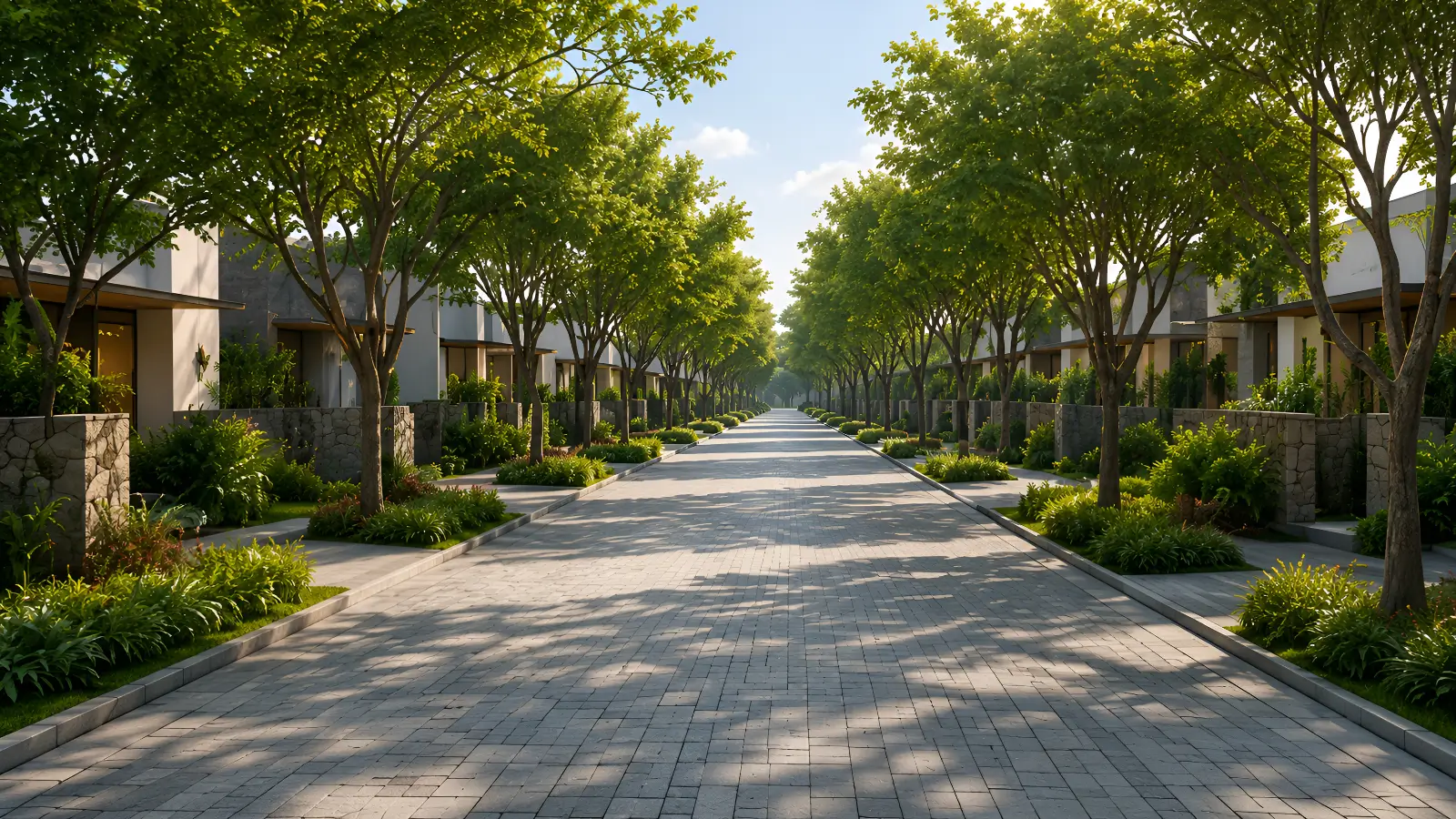
Palm Jumeirah master planning also allocates landscape generously to convert dense built environments into walkable residential precincts. Embassy Biome adopts this principle through its 19-acre reserved landscape spine. Landscape ratio at approximately 22 percent of total area significantly exceeds the 12 to 15 percent typical of competing Bangalore developments. The additional landscape translates into measurable daily-life dividends — better air quality through canopy filtration, mature tree canopy growth potential, walkable evening geography, and the visual softening that converts a built environment into a residential precinct atmosphere.
Third, the Palm Jumeirah township logic places amenities within walking distance from any residential address through deliberate pedestrian-priority routing. Embassy Biome implements this through dedicated walking paths connecting every residence to the 40,000 sq.ft. signature clubhouse within a five-minute walk. The pedestrian network is sized to handle peak-hour cross-cohort flows. Villa residents can walk to the clubhouse without crossing vehicular traffic. Apartment residents can walk to the central landscape spine. Cross-cohort interaction happens through programmed walking geography rather than vehicular dependency.
The Palm Jumeirah-inspired positioning at Embassy Biome is not marketing language — it is a specific set of master plan decisions adapted for the North Bangalore context. The central enclave protection, the 22 percent landscape allocation, and the connected walkable geography are the design moves that make the influence operationally meaningful. For buyers evaluating Embassy Biome against competing North Bangalore townships, the master plan logic is the structural differentiator worth weighing during pre-booking diligence. Verify the sanctioned plan against the marketed claims once K-RERA registration completes, walk the planned routes between residential clusters and amenities physically, and assess the landscape allocation against actual site dimensions to validate the master plan operationally.
Related reading: What to Ask the Embassy Biome Sales Team at Your First Meeting.
FAQs
What Makes Embassy Biome a Palm Jumeirah-Inspired Township?
Embassy Biome operates on Palm Jumeirah-inspired township logic adapted for the North Bangalore context.Where is Embassy Biome located?
Embassy Biome operates on Palm Jumeirah-inspired township logic adapted for the North Bangalore context.What configurations are offered at Embassy Biome?
The Palm Jumeirah township logic protects its highest-value residential addresses at the protected core of the master plan, with lower-value buffer uses positioned at the perimeter to absorb external exposure.What amenities does Embassy Biome offer?
Palm Jumeirah master planning also allocates landscape generously to convert dense built environments into walkable residential precincts.
Related Articles
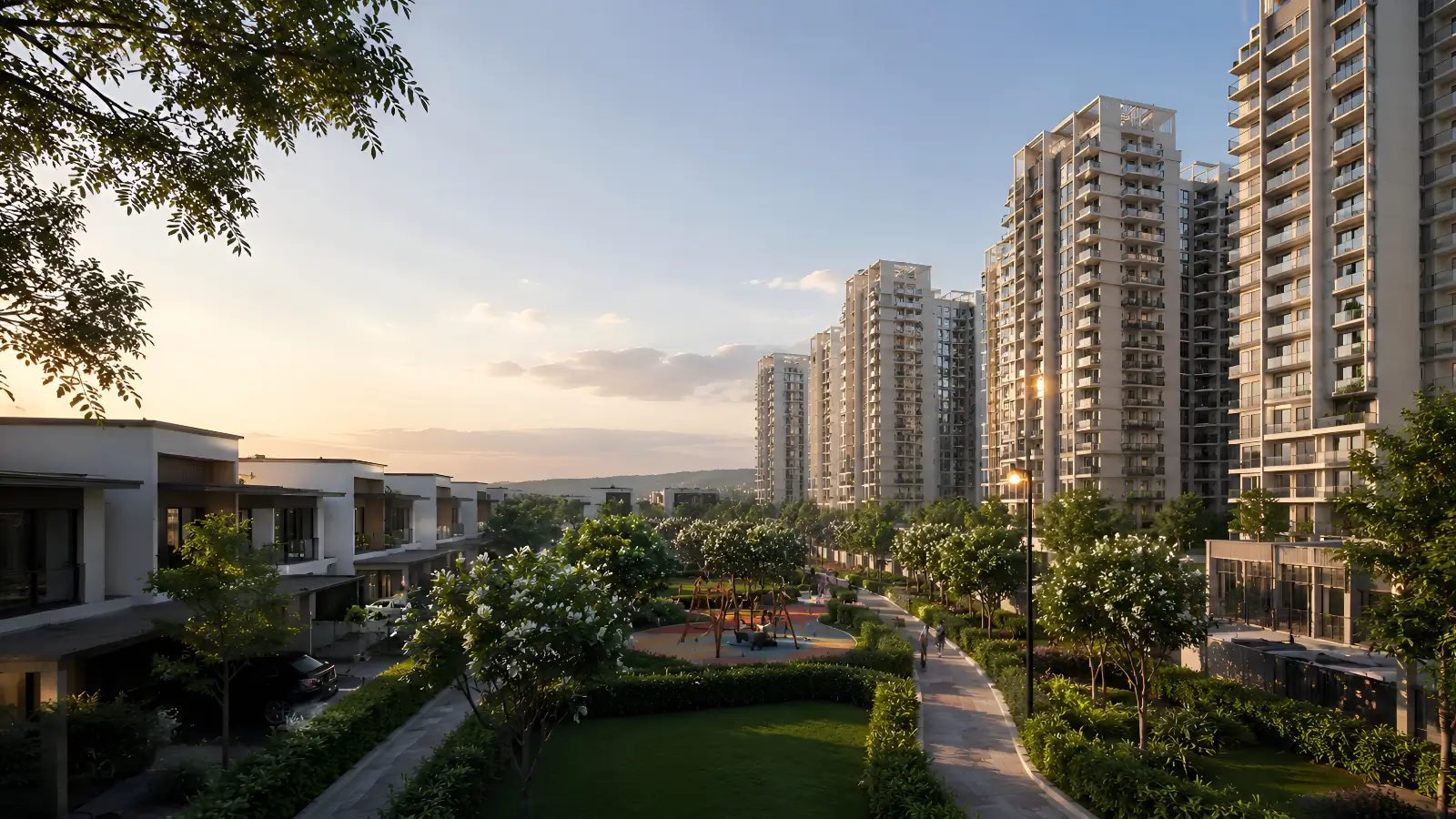
How Mixed-Format Townships Like Embassy Biome Differ From Standalone Projects
Embassy Biome operates as a mixed-format township combining ultra-luxury villas and premium apartments within a single 85-acre integrated parcel.
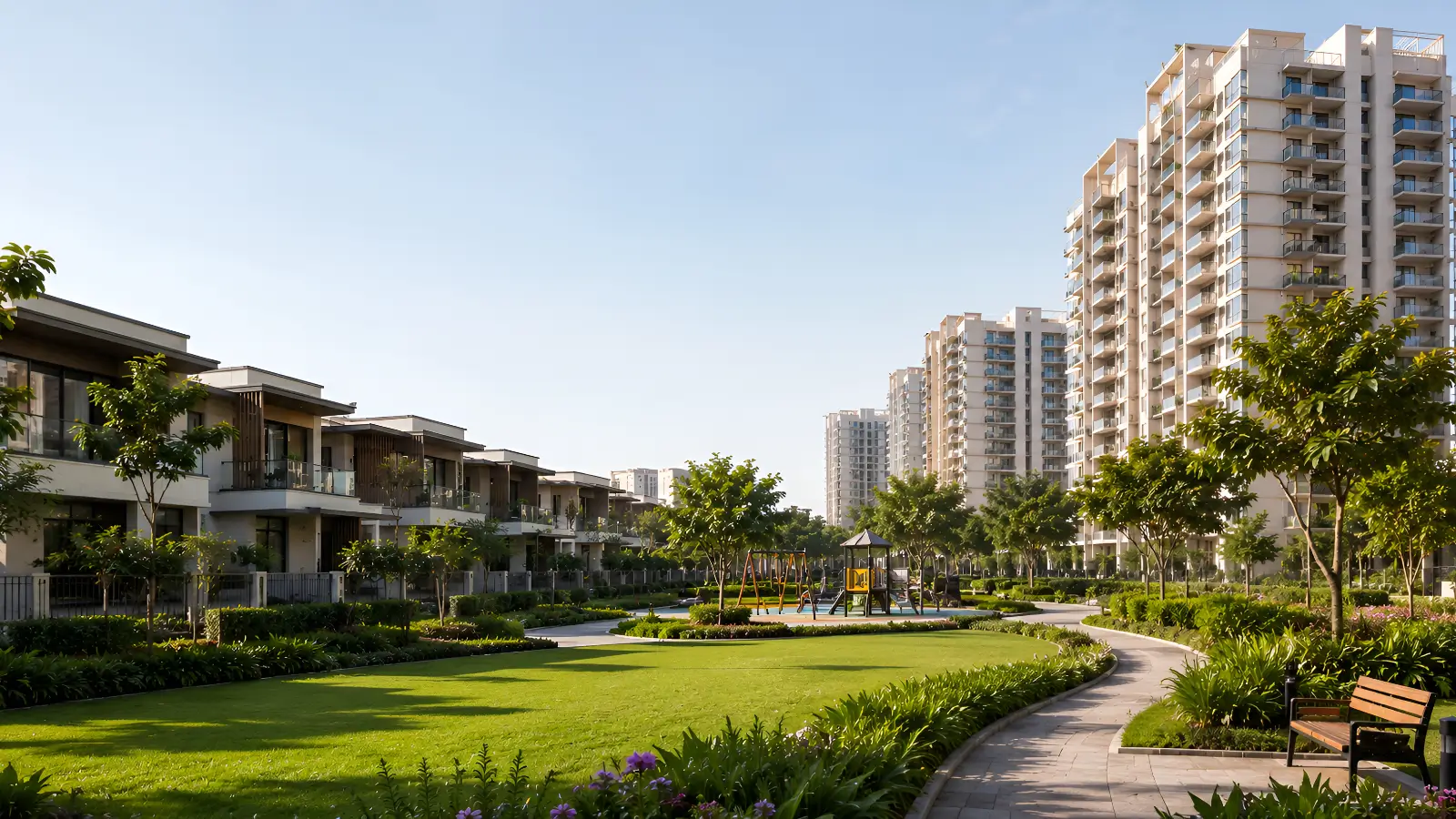
How the 14-Acre Apartment Perimeter Works at Embassy Biome
The 14-acre apartment perimeter parcel at Embassy Biome houses 855 premium apartments across 8 towers and serves a specific master plan function within the...
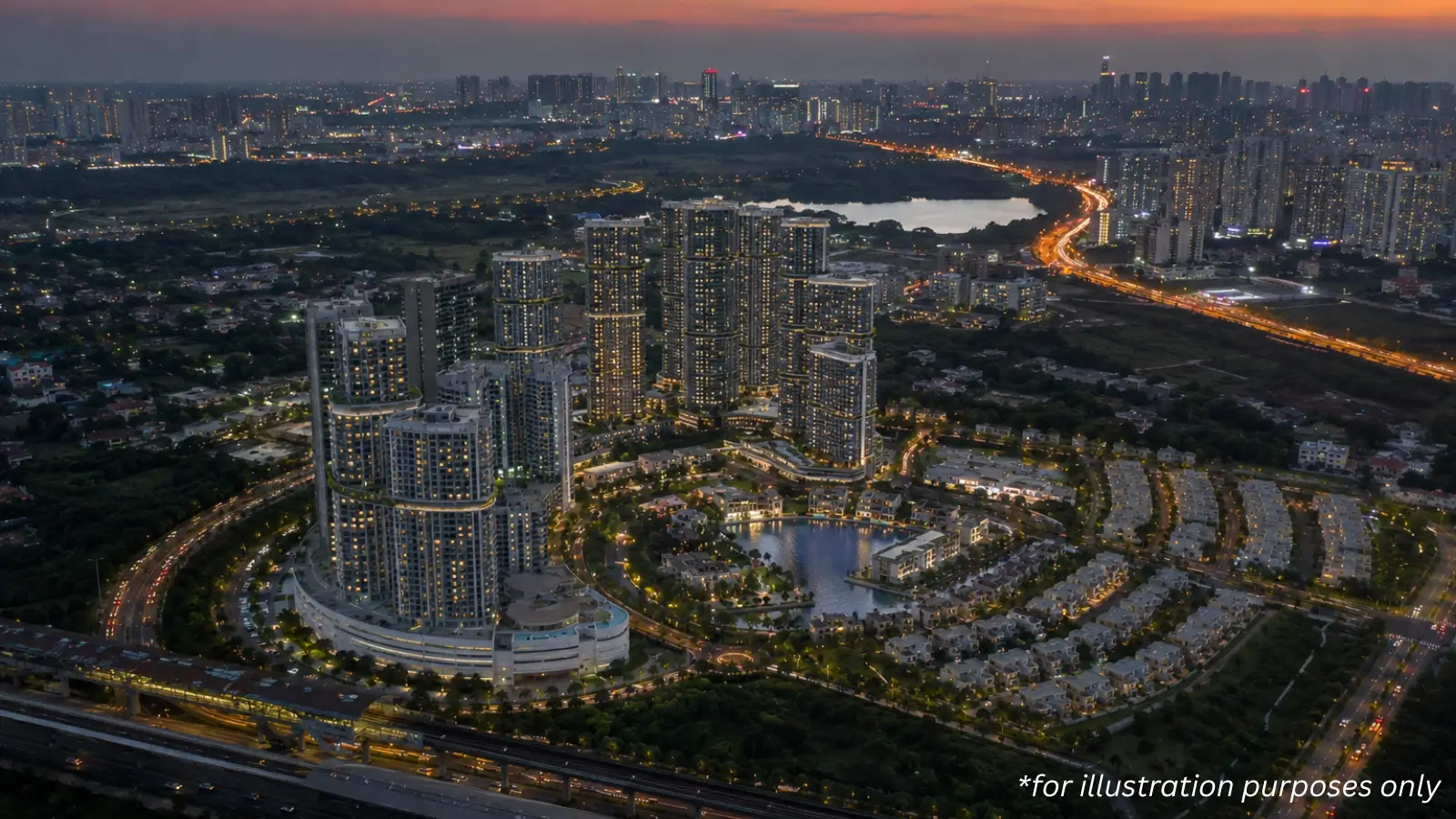
Understanding the 85-Acre Embassy Biome Master Plan
Master plan diligence for Embassy Biome buyers matters more than at standalone residential developments because the township structure shapes daily life...
The Architecture of the 50-Acre Villa Enclave at Embassy Biome
The 50-acre villa enclave at the heart of Embassy Biome is engineered as a protected residential core within the wider 85-acre township.