Devanahalli Growth Story and Its Impact on Embassy Biome Value
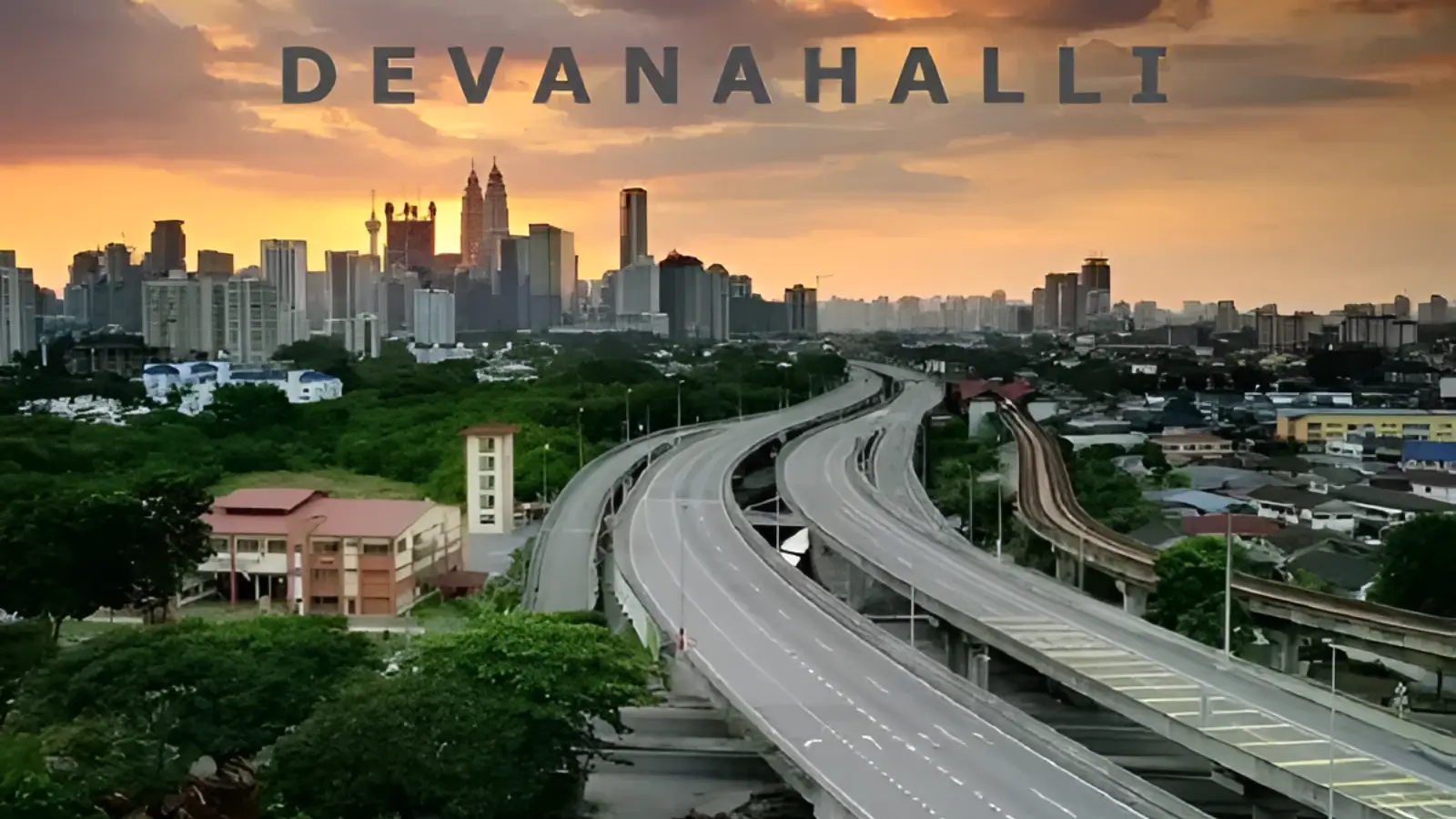
Devanahalli has emerged across the last decade as a major North Bangalore growth node.
Devanahalli has emerged across the last decade as a major North Bangalore growth node. Its proximity to Embassy Biome (approximately 11 km) means the Devanahalli growth story directly affects Embassy Biome locality value across the medium to long term. Understanding the Devanahalli trajectory helps buyers calibrate the broader corridor thesis.
Devanahalli town centre developed historically around traditional agricultural and small commercial activity. The airport's operational launch in 2008 began transforming the town into airport-adjacency positioning. The post-2015 acceleration phase brought infrastructure investment, commercial expansion, and residential development to Devanahalli at scale. Multiple integrated townships, business parks, and commercial developments have launched or are under execution. The town has shifted from traditional regional centre to emerging North Bangalore commercial and residential node.
Devanahalli Business Park, KIADB SEZ extensions, IFCI Financial City, and emerging commercial parcels have created a commercial cluster around Devanahalli that supports residential demand across the broader corridor including Embassy Biome's Tharahunise positioning. The town's continued infrastructure investment — road widening, utility upgrades, social infrastructure additions — supports ongoing development capacity. The major North Bangalore institutional facilities (schools, healthcare, retail) have increasingly located in or near Devanahalli rather than requiring corridor residents to travel further south for premium services.
The Devanahalli growth impact on Embassy Biome value operates through multiple mechanisms. First, broader corridor recognition — as Devanahalli emerges as a recognised growth node, the entire airport corridor including Tharahunise gains positioning advantage in the broader Bangalore real estate map. Second, infrastructure spillover — road, utility, and service infrastructure improvements serving Devanahalli also improve Embassy Biome connectivity. Third, commercial cluster reinforcement — Devanahalli's growing commercial activity adds employer density and economic activity that supports residential demand across the corridor.
Fourth, social infrastructure enhancement — the schools, healthcare, retail, and dining infrastructure scaling around Devanahalli serves Embassy Biome residents alongside Devanahalli-resident families. Fifth, real estate cycle dynamics — as corridor recognition grows, both primary and secondary market liquidity improves across the broader corridor including Embassy Biome positioning. The Devanahalli growth story isn't a single Embassy Biome value driver but rather one of multiple corridor-level dynamics that reinforce the structural location thesis. For Embassy Biome buyers, monitor Devanahalli infrastructure execution timelines and commercial development activity during the construction-to-possession window — the corridor maturation story directly affects long-cycle Embassy Biome positioning and resale market characteristics. Visit Devanahalli town centre during diligence to assess current development character and ongoing transformation pace.
Related reading: the 80-Foot Spinal Road Shapes Daily Life at Embassy Biome.
FAQs
What is Devanahalli Growth Story and Its Impact on Embassy Biome Value?
Devanahalli has emerged across the last decade as a major North Bangalore growth node.Where is Embassy Biome located?
Devanahalli has emerged across the last decade as a major North Bangalore growth node.What are the investment prospects?
Devanahalli town centre developed historically around traditional agricultural and small commercial activity.
Related Articles
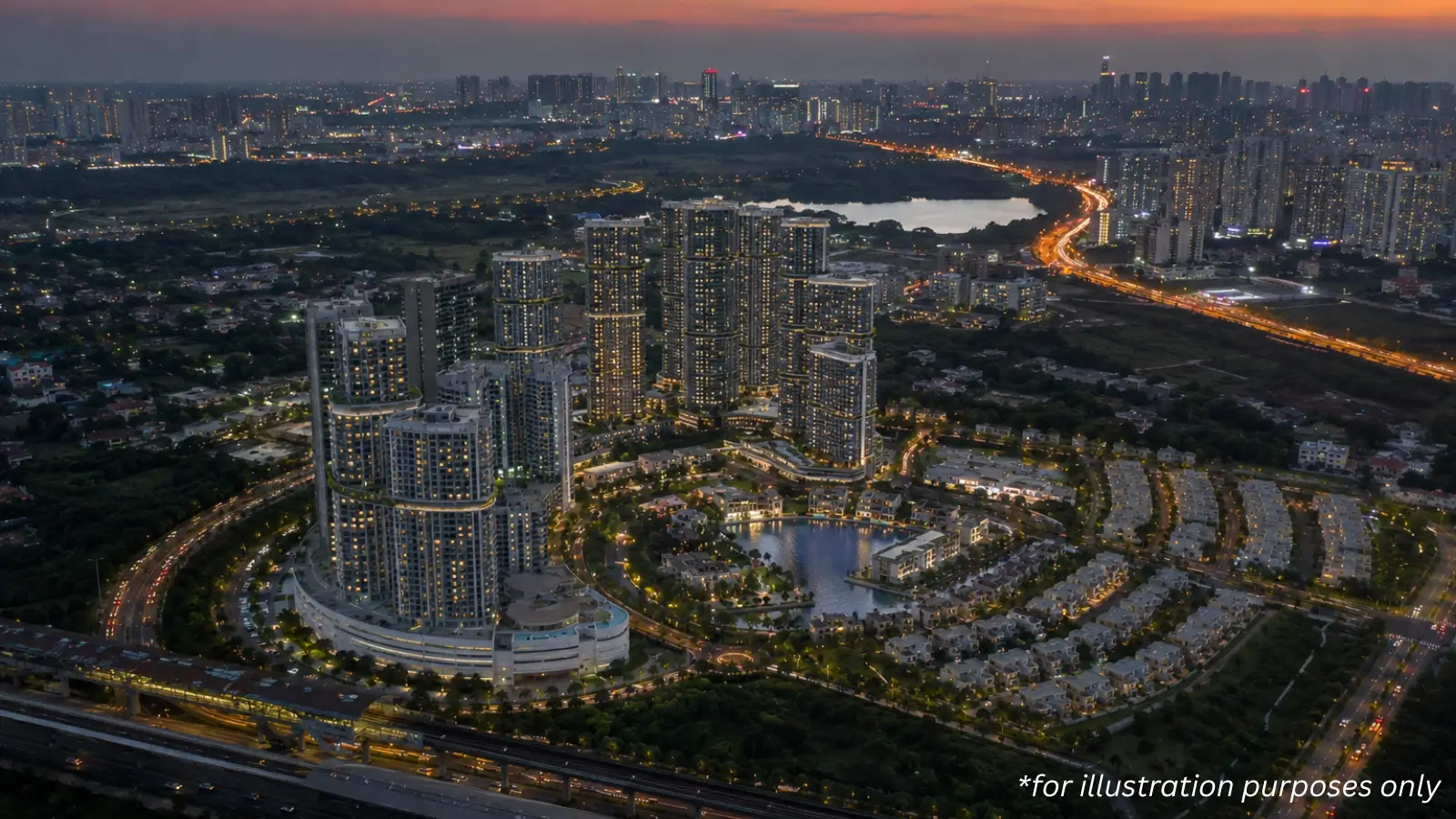
Understanding the 85-Acre Embassy Biome Master Plan
Master plan diligence for Embassy Biome buyers matters more than at standalone residential developments because the township structure shapes daily life...
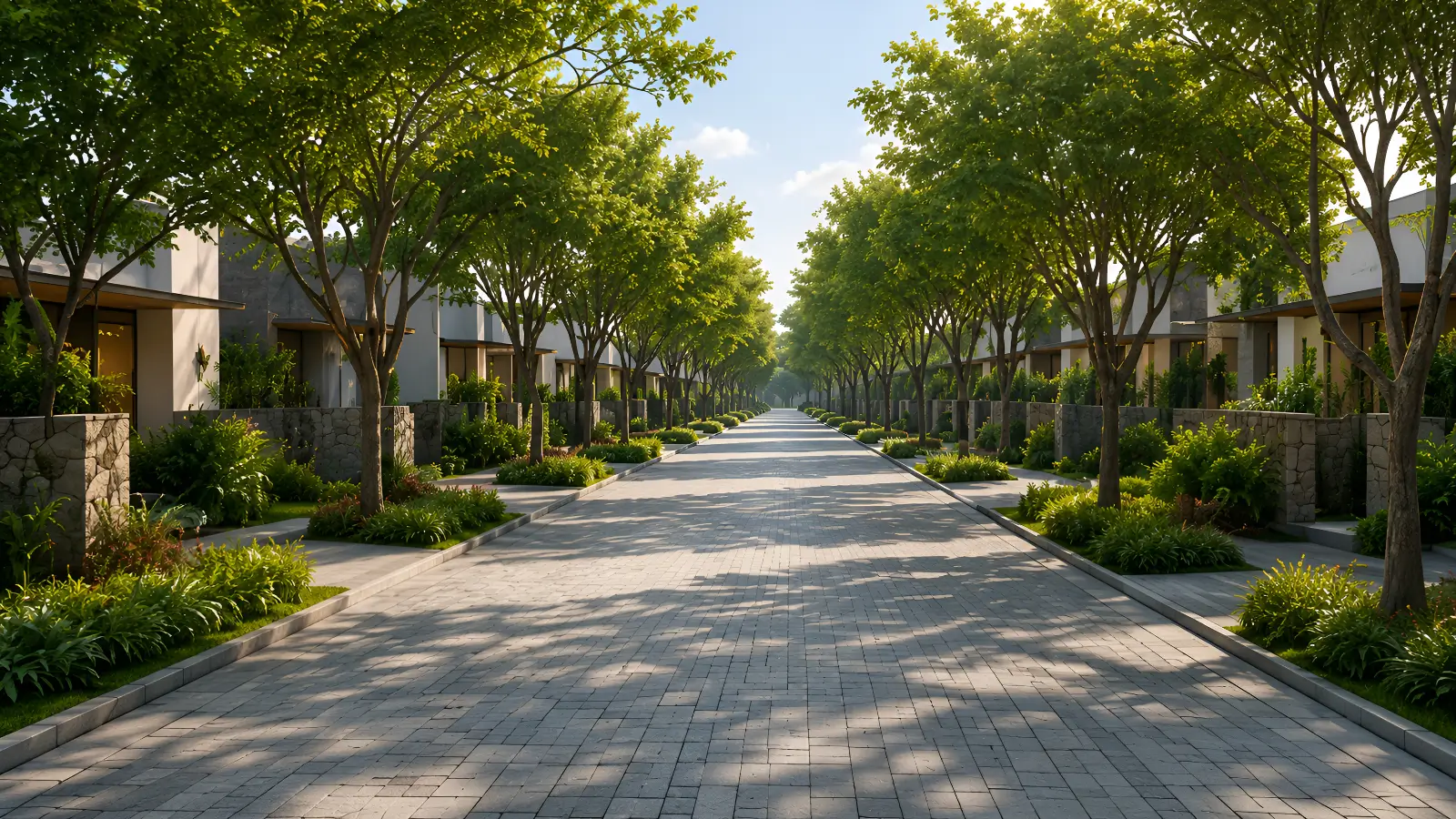
The Architecture of the 50-Acre Villa Enclave at Embassy Biome
The 50-acre villa enclave at the heart of Embassy Biome is engineered as a protected residential core within the wider 85-acre township.
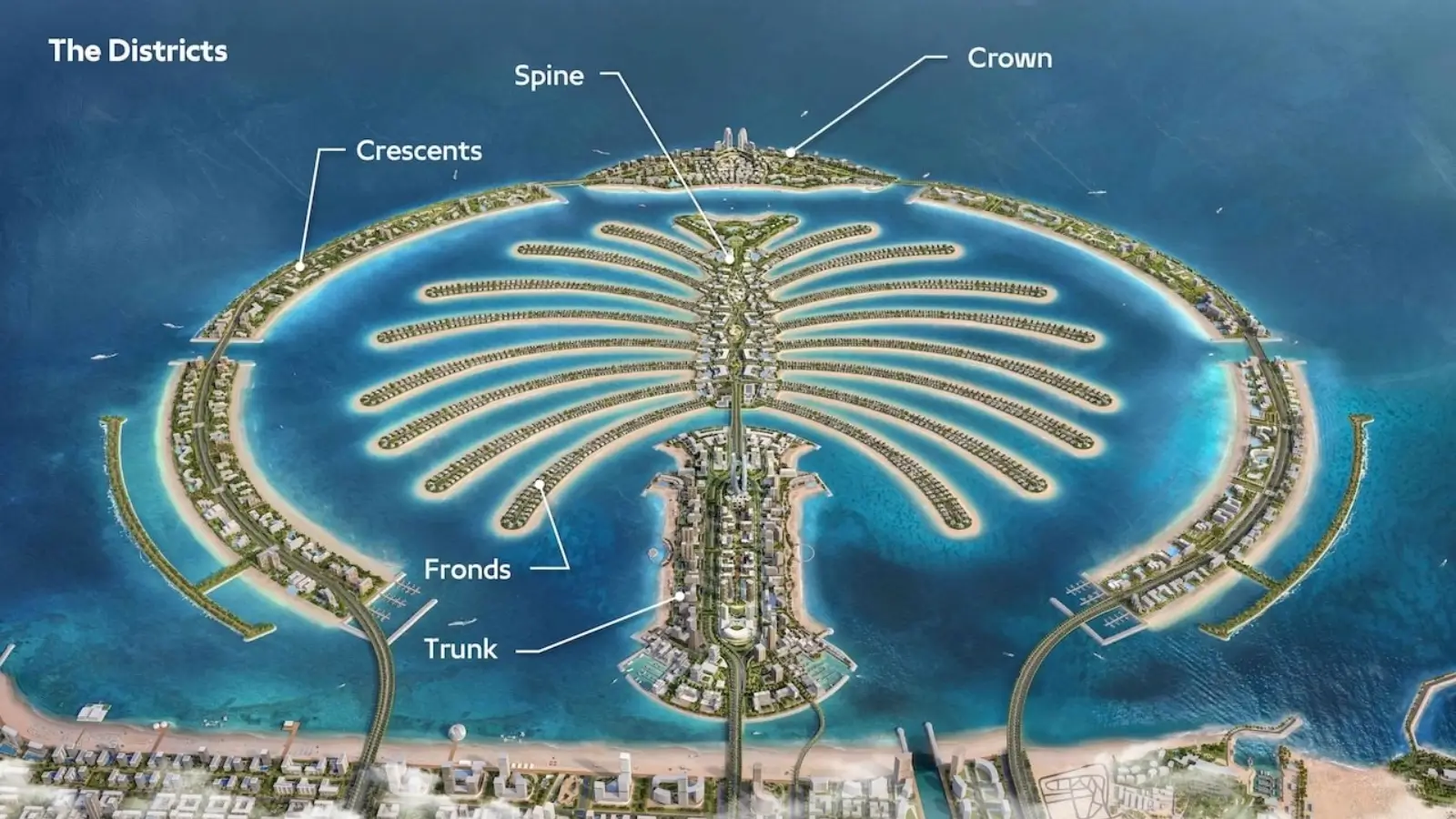
What Makes Embassy Biome a Palm Jumeirah-Inspired Township
Embassy Biome operates on Palm Jumeirah-inspired township logic adapted for the North Bangalore context.
How Mixed-Format Townships Like Embassy Biome Differ From Standalone Projects
Embassy Biome operates as a mixed-format township combining ultra-luxury villas and premium apartments within a single 85-acre integrated parcel.