Embassy Biome Investment for Family Office and Institutional Buyers
Family offices and institutional buyers evaluate Embassy Biome through different lenses than individual HNI buyers.
Family offices and institutional buyers evaluate Embassy Biome through different lenses than individual HNI buyers. The investment framework focuses on portfolio construction, long-cycle returns, and risk-adjusted positioning rather than principal residence considerations. Understanding the institutional investment thesis at Embassy Biome helps both buyer types and developer relationships.
Family office allocation to Embassy Biome typically operates through dedicated real estate sleeves within multi-asset portfolio construction. Single-asset concentration limits apply — most disciplined family offices cap individual real estate positions at 5 to 10 percent of investable assets, even for highest-conviction allocations. Embassy Biome's ticket sizes (₹1.60 Cr apartment entry to ₹16+ Cr villa trophy) accommodate diverse family office sizing. A multi-unit allocation across both villa and apartment formats provides format diversification within the same township envelope while limiting concentration to specific asset positioning. The cross-format strategy works particularly well for family offices managing principal residence requirements (villa for the family) alongside investment positioning (Signature Residence apartment for yield and appreciation).
Institutional buyer profiles differ across categories. Sovereign wealth fund and pension fund allocations rarely enter direct residential real estate at individual unit scale, but corporate treasury allocations from operating companies (often for executive housing or guesthouse positioning) do operate at Embassy Biome ticket sizes. Indian alternative investment funds (AIFs) targeting real estate exposure may invest at portfolio scale, accumulating multiple units for institutional yield positioning. Family-controlled investment vehicles operate at the intersection of family office and institutional approaches — Embassy Biome works well for this category given the developer brand recognition and scale-driven operational economics.
Long-cycle return expectations for institutional buyers at Embassy Biome should reflect both the structural value drivers and the institutional liquidity constraints. Direct residential real estate at this scale carries 6 to 12 month resale timelines, which means institutional positions should be sized assuming holding periods of 5 to 15 years rather than tactical positioning windows. Expected total returns combining 6 to 10 percent compound capital appreciation with 3.5 to 4.5 percent gross rental yield deliver 9.5 to 14.5 percent gross annual returns across complete cycles. After all-in cost factoring and capital gains tax impact, net returns target 7 to 11 percent annually — competitive against alternative institutional real estate options while offering Embassy Group brand premium and Bangalore airport corridor exposure.
For family offices and institutional buyers evaluating Embassy Biome, the investment framework should include independent property advisory, real estate-specific tax planning, banking partner relationship coordination for institutional financing structures, and ongoing portfolio integration with broader allocation strategies. The Embassy Biome sales team can coordinate institutional buyer workflows including multi-unit allocations, customised commercial terms, and confidential transaction structures appropriate to institutional buyer requirements. The diligence rigour for institutional buyers exceeds individual HNI diligence — but the structural advantages that benefit individual HNI buyers (developer brand, location thesis, township scale) apply equally to institutional positioning.
Related reading: Employer Cluster Within 10 km of Embassy Biome.
FAQs
What is Embassy Biome Investment for Family Office and Institutional Buyers?
Family offices and institutional buyers evaluate Embassy Biome through different lenses than individual HNI buyers.Where is Embassy Biome located?
Long-cycle return expectations for institutional buyers at Embassy Biome should reflect both the structural value drivers and the institutional liquidity constraints.Why consider Embassy Biome for investment?
For family offices and institutional buyers evaluating Embassy Biome, the investment framework should include independent property advisory, real estate-specific tax planning, banking partner relationship coordination for institutional financing structures, and ongoing portfolio integration with broader allocation strategies.
Related Articles
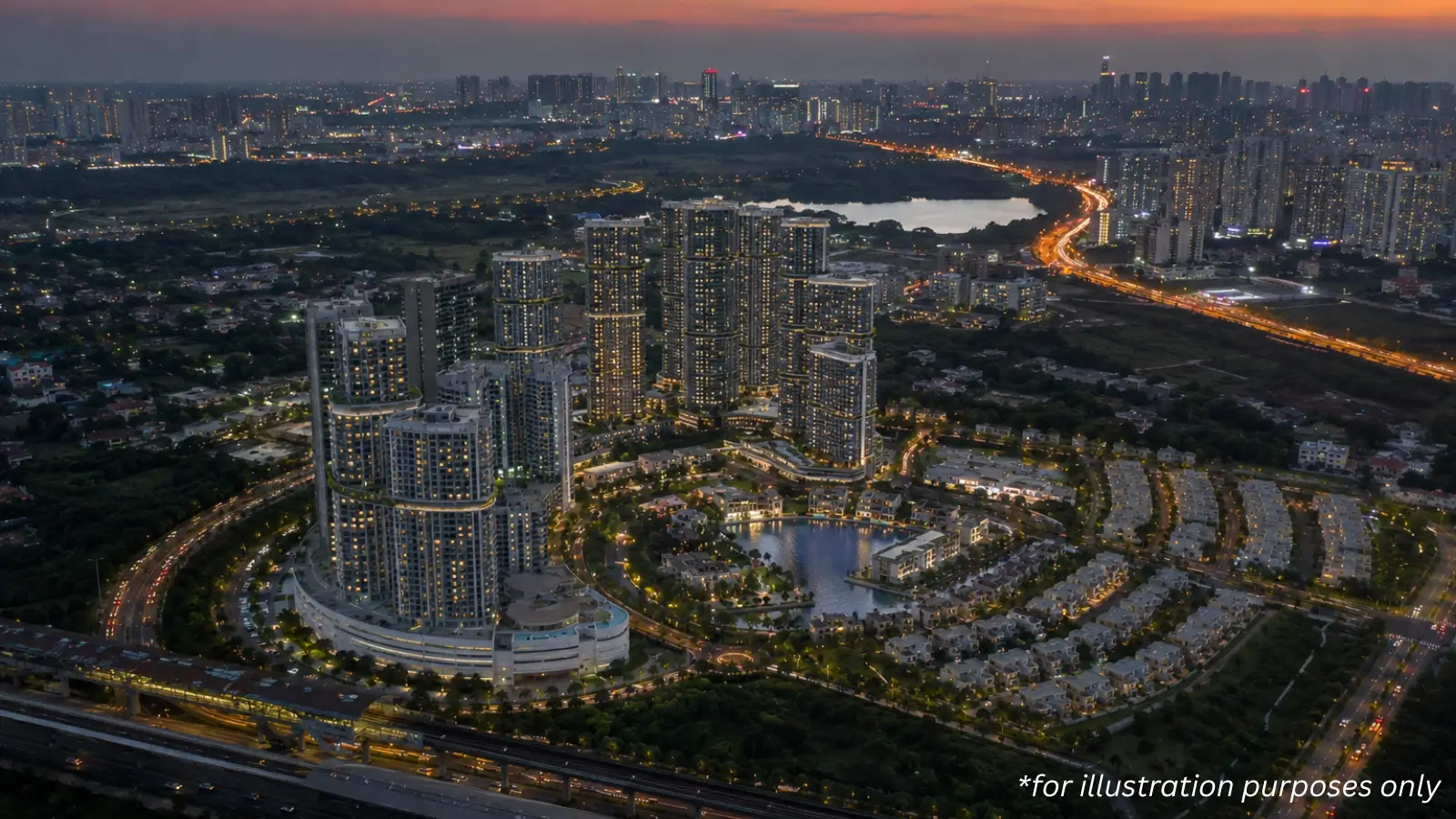
Understanding the 85-Acre Embassy Biome Master Plan
Master plan diligence for Embassy Biome buyers matters more than at standalone residential developments because the township structure shapes daily life...
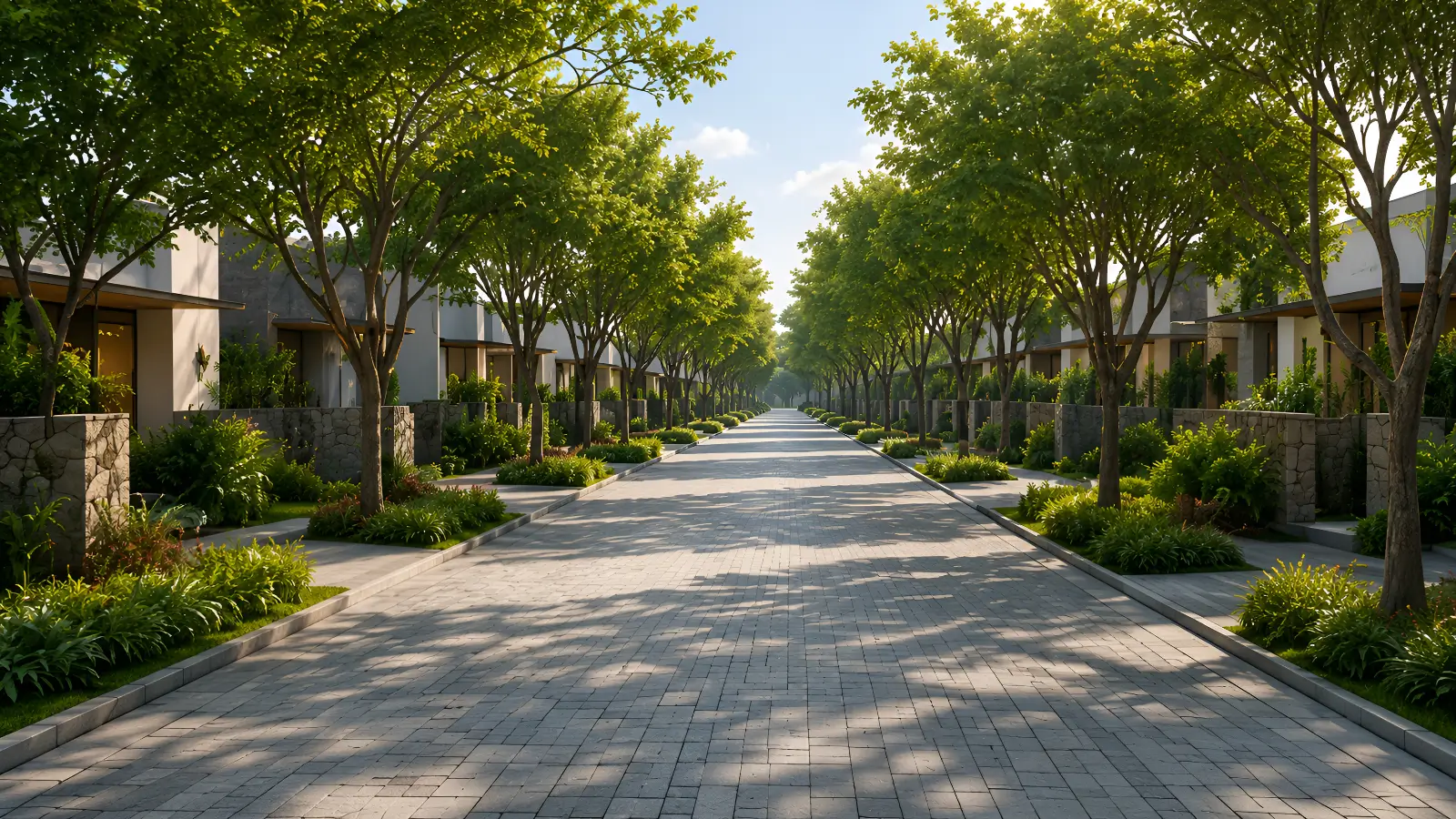
The Architecture of the 50-Acre Villa Enclave at Embassy Biome
The 50-acre villa enclave at the heart of Embassy Biome is engineered as a protected residential core within the wider 85-acre township.
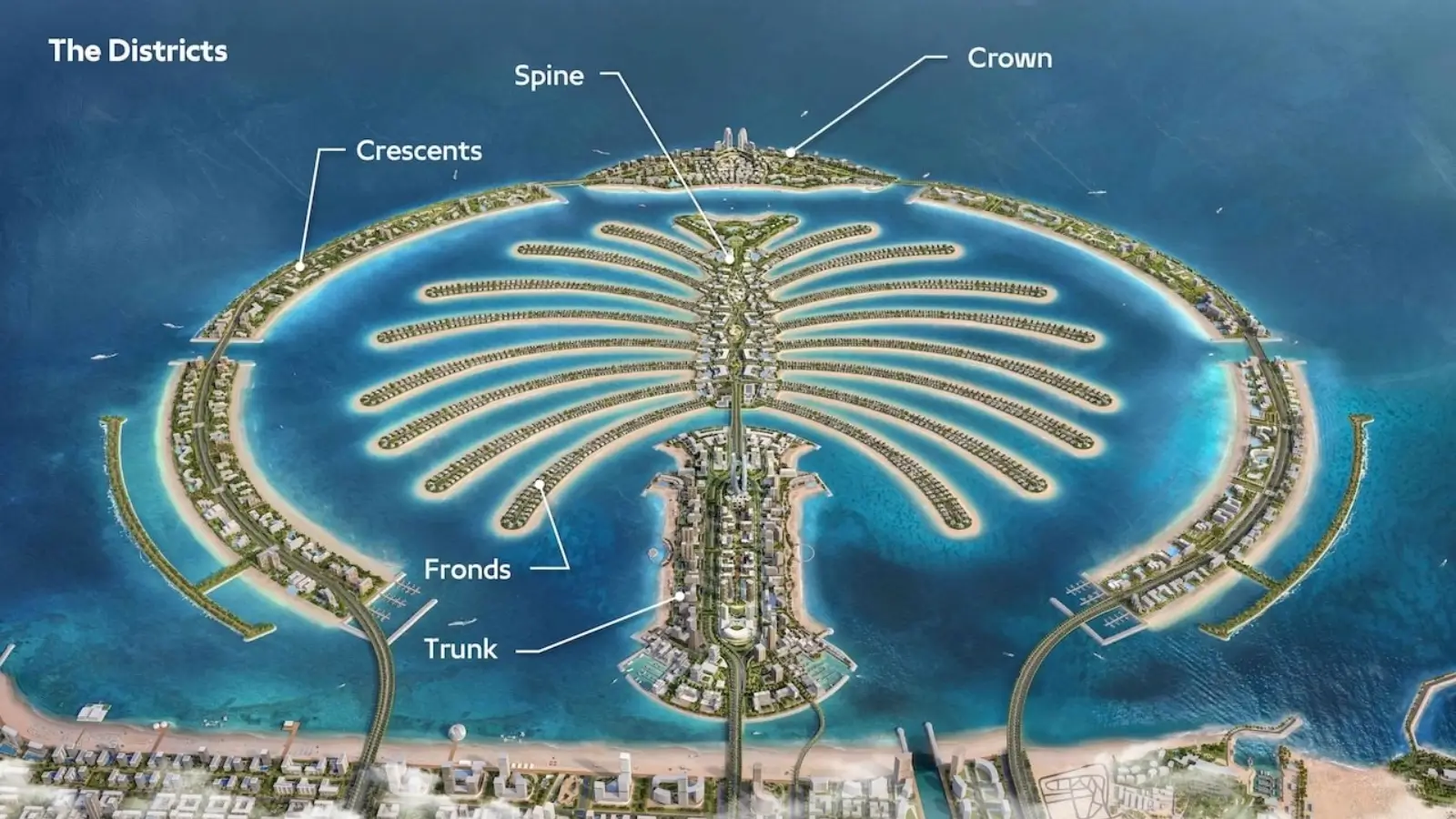
What Makes Embassy Biome a Palm Jumeirah-Inspired Township
Embassy Biome operates on Palm Jumeirah-inspired township logic adapted for the North Bangalore context.
How Mixed-Format Townships Like Embassy Biome Differ From Standalone Projects
Embassy Biome operates as a mixed-format township combining ultra-luxury villas and premium apartments within a single 85-acre integrated parcel.