How NRIs Should Approach Embassy Biome Investment — FEMA Compliance Guide

NRI investment at Embassy Biome operates under FEMA (Foreign Exchange Management Act) compliance requirements that differ meaningfully from resident-buyer...
NRI investment at Embassy Biome operates under FEMA (Foreign Exchange Management Act) compliance requirements that differ meaningfully from resident-buyer workflows. Understanding the FEMA framework correctly matters because compliance shortcuts create downstream tax, repatriation, and regulatory exposure that takes years to surface.
FEMA permits NRIs to purchase residential real estate in India through specific channel restrictions. NRE (Non-Resident External) and NRO (Non-Resident Ordinary) accounts can be used for capital remittance, with different repatriation implications. NRE-funded purchases support repatriation of sale proceeds and rental income (subject to caps), while NRO-funded purchases face stricter repatriation restrictions. Foreign currency conversion to INR for property purchase must flow through authorised banking channels with documentation that supports the FEMA compliance trail. Direct foreign currency payments to developers without conversion through authorised channels create compliance gaps that resurface during sale or repatriation.
Documentation requirements for NRI buyers include passport copies, OCI/PIO card if applicable, address proof from country of residence, tax residency certificate, source of funds documentation, NRE/NRO account statements, and Power-of-Attorney coordination for in-India signing if the NRI cannot travel for booking and registration. Each document supports specific FEMA compliance and tax reporting requirements. Embassy Biome's NRI desk is configured to coordinate this documentation, but NRI buyers should engage Indian tax and FEMA advisors independently rather than relying on developer assurances alone.
Tax implications for NRI buyers at Embassy Biome cover purchase taxes (stamp duty, GST, registration), ownership taxes (property tax annually), rental income taxes (if leased), and capital gains taxes at sale. TDS (tax deducted at source) requirements differ for NRI sellers compared to resident sellers — buyers of NRI-owned property must deduct higher TDS percentages. Long-term capital gains tax structures and exemption availability (Section 54, Section 54F, Section 54EC) require careful planning if eventual sale or estate planning is contemplated. Coordinate Indian and country-of-residence tax planning to avoid double taxation through DTAA (Double Taxation Avoidance Agreement) where applicable.
NRI investment at Embassy Biome works well when FEMA compliance is treated as a structural workflow rather than a paperwork formality. Use authorised banking channels for all remittance. Document source of funds clearly. Coordinate Power-of-Attorney with notarised authority for remote signing. Engage Indian tax and FEMA advisors independently. Verify Embassy Biome NRI desk workflow against your specific country of residence requirements — Singapore, UAE, US, UK, and Australia NRI workflows have differences worth navigating carefully. The diligence discipline protects NRI capital across the entire ownership and eventual repatriation horizon.
Related reading: Senior Living Considerations at Embassy Biome — Accessibility and Comfort.
FAQs
How NRIs Should Approach Embassy Biome Investment?
NRI investment at Embassy Biome operates under FEMA (Foreign Exchange Management Act) compliance requirements that differ meaningfully from resident-buyer workflows.Why consider Embassy Biome for investment?
FEMA permits NRIs to purchase residential real estate in India through specific channel restrictions.What makes Embassy Biome distinctive?
Documentation requirements for NRI buyers include passport copies, OCI/PIO card if applicable, address proof from country of residence, tax residency certificate, source of funds documentation, NRE/NRO account statements, and Power-of-Attorney coordination for in-India signing if the NRI cannot travel for booking and registration.
Related Articles
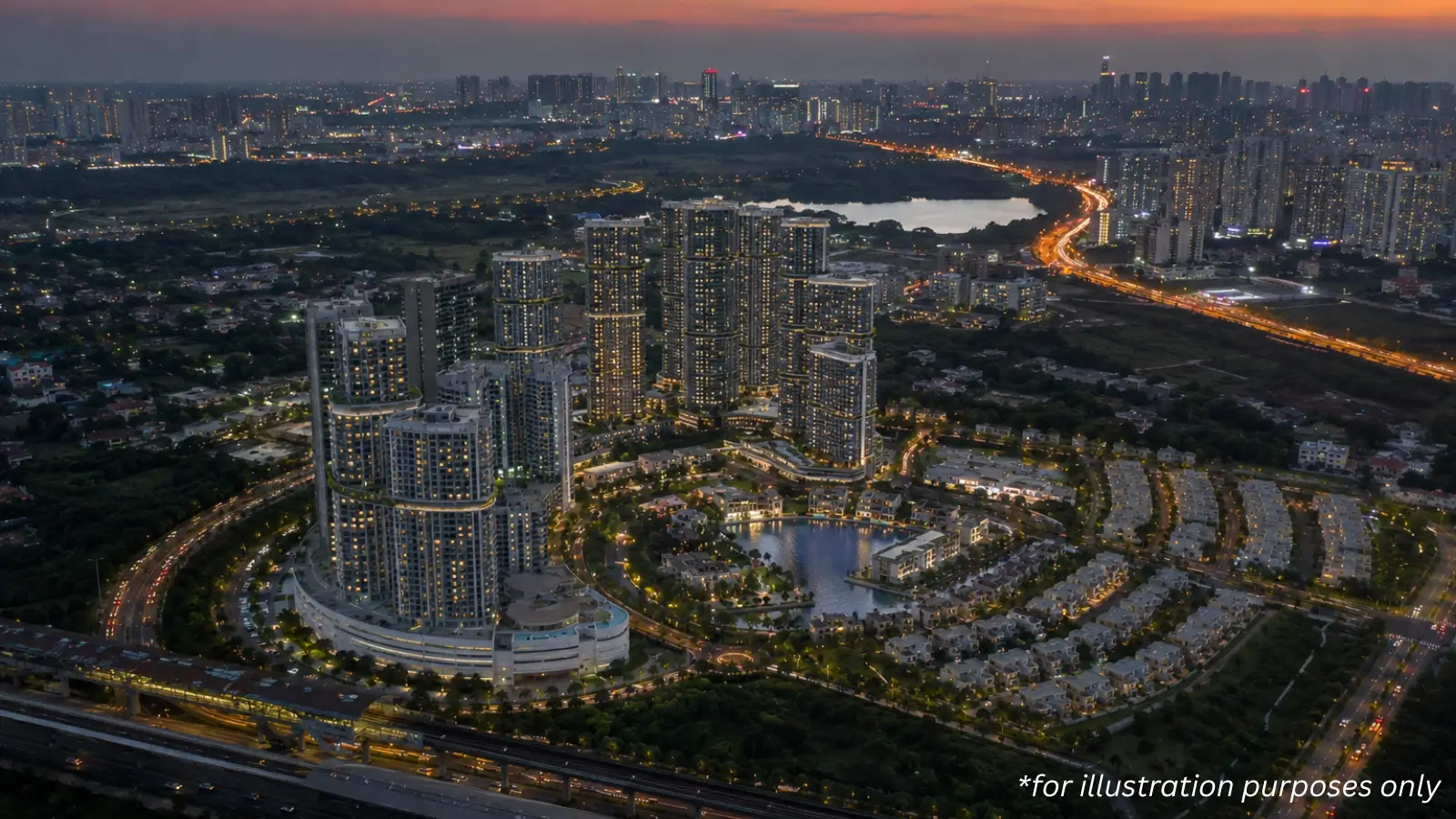
Understanding the 85-Acre Embassy Biome Master Plan
Master plan diligence for Embassy Biome buyers matters more than at standalone residential developments because the township structure shapes daily life...

The Architecture of the 50-Acre Villa Enclave at Embassy Biome
The 50-acre villa enclave at the heart of Embassy Biome is engineered as a protected residential core within the wider 85-acre township.
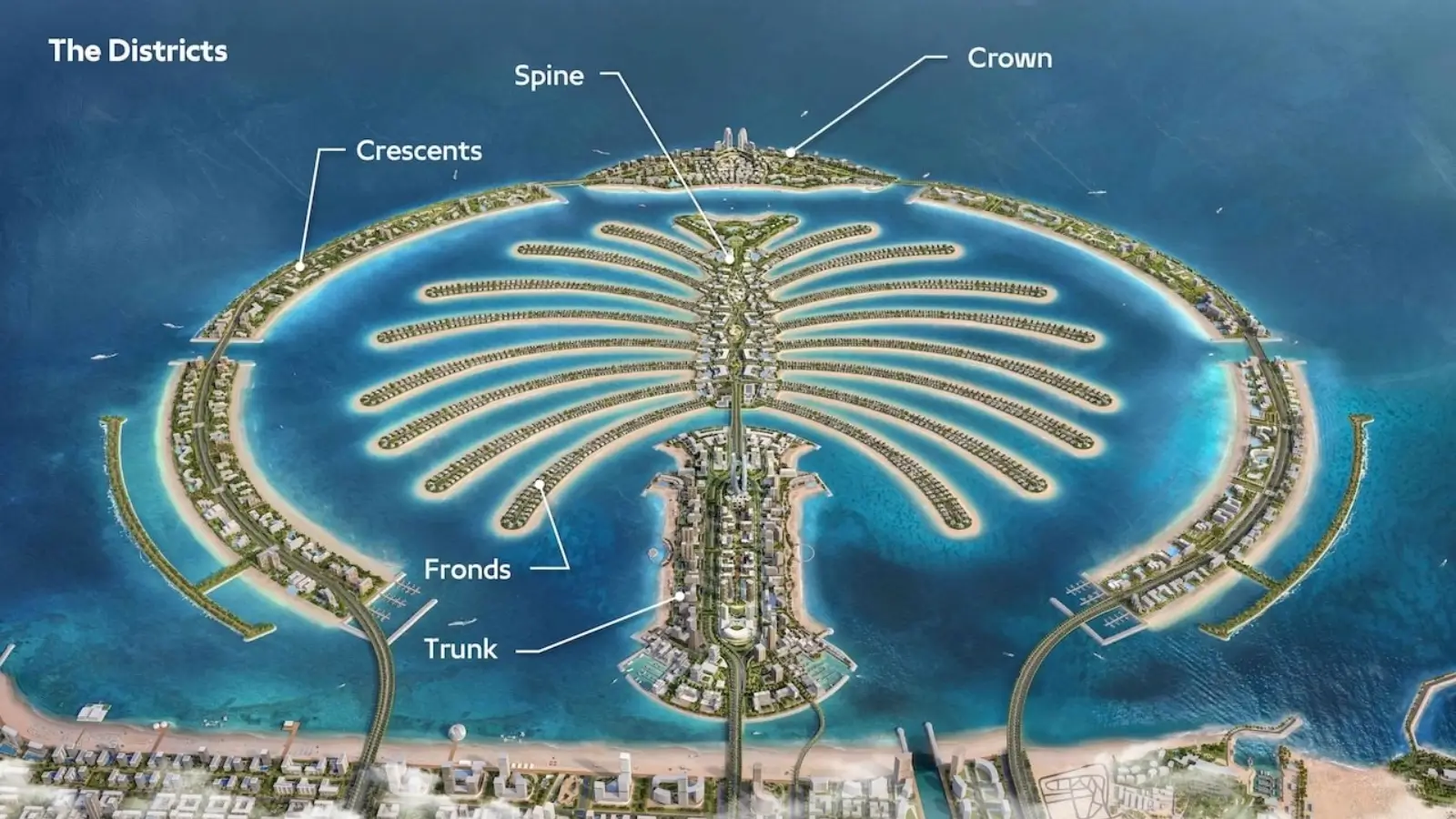
What Makes Embassy Biome a Palm Jumeirah-Inspired Township
Embassy Biome operates on Palm Jumeirah-inspired township logic adapted for the North Bangalore context.

How Mixed-Format Townships Like Embassy Biome Differ From Standalone Projects
Embassy Biome operates as a mixed-format township combining ultra-luxury villas and premium apartments within a single 85-acre integrated parcel.